
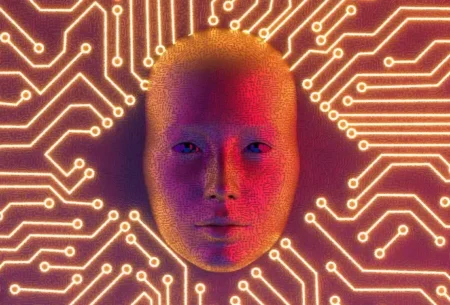
People increasingly turn to AI for more than quick answers, work tasks, or entertainment. Some use chatbots when they feel lonely, need to organize their thoughts, want relationship advice, or simply need somewhere to express emotions without worrying about judgment. That convenience has started to change the way people think about emotional support.
AI can make someone feel heard in the moment, but feeling supported and building a genuine human relationship are not the same thing. As emotional conversations with chatbots become more common, understanding that difference becomes increasingly important.
Why People Turn to AI for Emotional Support
AI offers something human relationships cannot always provide: immediate availability. You can start a conversation at any hour, discuss an uncomfortable subject, or put complicated feelings into words without arranging an appointment or worrying about another person’s reaction. Cost and accessibility also make chatbots attractive to people who struggle to find professional support. These advantages explain part of their growing appeal, but convenience alone does not make AI an equal replacement for human connection.
AI Can Help You Organize Your Thoughts
Sometimes people do not need an answer as much as they need a place to sort through what they feel. A chatbot can help structure thoughts, suggest questions to consider, summarize a complicated situation, or offer alternative ways to look at a problem. People who already work with a therapist may also use AI to organize ideas they want to discuss at their next appointment. In this role, AI works best as a tool for reflection rather than as the person making important emotional decisions for you.
Feeling Validated Is Not Always the Same as Getting Good Advice
Supportive responses can feel comforting, especially during moments of uncertainty. However, constant agreement can create its own problem. A useful conversation sometimes requires someone to challenge your assumptions, notice unhealthy patterns, or tell you something you would rather not hear. AI may reinforce a user’s perspective instead of questioning it strongly enough. When dealing with relationships, major life choices, or mental health concerns, reassurance should not replace critical thinking.
Human Relationships Provide Something AI Cannot Copy
A real relationship develops through shared experiences, body language, trust, disagreement, compromise, and mutual responsibility. Friends, partners, relatives, and therapists also bring their own perspectives to a conversation rather than generating a response solely around your input. AI can imitate warmth and empathy through language, but it does not participate in your life or experience emotions alongside you. That distinction matters when emotional support requires genuine connection rather than conversation alone.
Emotional Attachment to AI Can Become Complicated
People can develop surprisingly strong emotional connections with systems that respond consistently and remember conversational details. A 2026 international study found attachment-related behavior among a substantial share of chatbot users and linked stronger emotional attachment with signs of greater dependence. Using AI frequently does not automatically mean someone has an unhealthy relationship with it, but problems may arise when chatbot conversations begin replacing friendships, sleep, hobbies, work, or real-world social interaction.
AI Should Not Replace Professional Mental Health Care
General-purpose chatbots can explain concepts, help prepare questions for an appointment, or support reflection, but they cannot fully understand a person’s history and circumstances the way a qualified professional can. They can also provide inaccurate information with a confident tone or miss important warning signs. Anyone dealing with persistent emotional distress or serious mental health concerns should seek appropriate professional support rather than relying on AI as their only source of guidance.
Finding a Healthy Balance
The most practical approach does not require rejecting AI or treating it like a substitute for every human conversation. Use it for clearly defined tasks: organize your thoughts, explore different perspectives, prepare questions, or learn basic information. At the same time, maintain relationships with people who can challenge you, understand your wider circumstances, and share real experiences with you. If AI starts becoming your primary or only source of emotional connection, consider whether it has begun replacing something important in your offline life.
Final Thoughts
AI can provide accessible conversation and useful tools for reflection, but human emotional support involves much more than receiving the right words at the right moment. Healthy relationships require connection, perspective, trust, and mutual experience. AI may complement those relationships, but it should not replace them.
FAQ
Is it normal to talk to AI about personal problems?
Yes. Many people use AI to organize thoughts or discuss personal concerns. The important question is whether it supports your real life rather than replacing human relationships or professional care.
Can you become emotionally attached to an AI chatbot?
Yes. Research suggests some users develop emotional attachment to chatbots. Attachment becomes more concerning when it creates dependency or interferes with relationships and everyday activities.
Can AI give good relationship advice?
AI can suggest different perspectives and questions to consider, but it does not know the full context of your relationship. Avoid making major decisions based only on chatbot advice.
Can AI replace a therapist?
No. General-purpose AI can provide information and help organize thoughts, but it cannot replace the judgment, training, and individualized care of a qualified mental health professional.
Picture Credit: Magnific