
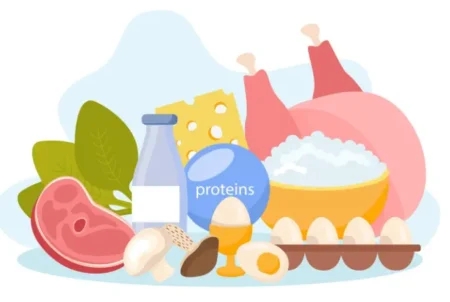
 Protein is often talked about in fitness, but its role goes far beyond building muscle. It is one of the main nutrients the body depends on every day. Protein is made of amino acids, which are small building blocks used to repair tissues, support the immune system, and maintain overall function. Your body constantly breaks down and rebuilds cells, and protein is what makes that process possible. Without enough of it, recovery slows down and the body starts losing strength over time.
Why Protein Is Important Even If You Don’t Train
Many people think protein only matters for athletes, but that is not true. Every person needs it for basic functions. It supports skin, hair, nails, and internal organs. It also helps maintain muscle mass, which is important not only for strength but for metabolism.
Muscle tissue uses energy even at rest, so when protein intake is too low and muscle mass decreases, metabolism slows down. This can affect energy levels and body composition even without changes in activity.
How Protein Supports Muscle And Recovery
When you exercise, especially with strength or resistance, your muscles experience small amounts of stress. This is a normal process. The body repairs that tissue and makes it stronger. Protein provides the material for that repair.
Without enough protein, the body cannot fully recover, which leads to fatigue and slower progress. With proper intake, recovery becomes faster, and the body adapts more effectively to physical нагрузка.
Why Protein Helps Control Hunger
Protein has a strong effect on satiety, which means how full you feel after eating. Meals that include protein tend to keep you satisfied longer compared to meals based only on carbohydrates.
This happens because protein takes longer to digest and influences hormones that regulate hunger. As a result, you are less likely to experience sudden cravings or overeating. This makes protein important not only for muscle but also for maintaining a stable eating pattern.
What Happens When You Don’t Get Enough Protein
Low protein intake can lead to several noticeable changes. You may feel weaker, recover more slowly, and lose muscle over time. Skin and hair may also become less healthy.
In more subtle ways, the body becomes less efficient. Energy levels may drop, and it becomes harder to maintain physical condition. These changes often happen gradually, which is why they are easy to ignore at first.
How To Get Enough Protein In Daily Life
Protein can come from both animal and plant sources. Foods like meat, fish, eggs, dairy, legumes, and nuts all provide it in different amounts. The key is consistency rather than exact numbers.
Including a source of protein in each meal helps maintain balance throughout the day. This approach supports energy, recovery, and overall function without needing strict calculations.
What Balanced Protein Intake Feels Like
When protein intake is sufficient, the body feels more stable. Recovery becomes faster, hunger feels more controlled, and physical strength is easier to maintain.
It is not something you notice instantly, but over time the difference becomes clear. The body functions more efficiently, and daily activity feels less demanding. Protein does not create sudden changes, but it supports everything that allows the body to work properly.
Picture Credit: Magnific