
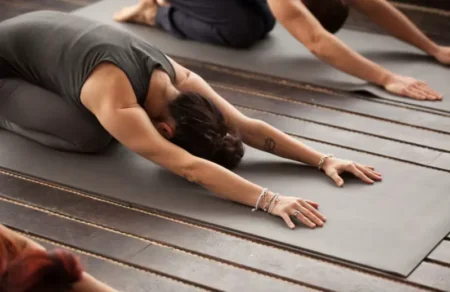
 Many people think of yoga as a series of stretches performed on a mat in a quiet room. While flexibility is certainly one benefit, yoga offers much more than improved mobility. For thousands of years, yoga has been practiced as a system designed to support both physical and mental well-being. Today, modern research continues to explore its positive effects on posture, stress management, balance, and overall quality of life.
Why Modern Lifestyles Create Physical Tension
Most people spend a significant portion of their day sitting. Hours spent at desks, in cars, or looking at screens place the body in positions it was never designed to maintain continuously.
Over time, muscles become tight, posture deteriorates, and movement patterns become restricted. Yoga helps counteract these effects by encouraging the body to move through a wider range of motion while improving awareness of posture and alignment.
Flexibility Is Only One Benefit
While yoga is known for increasing flexibility, many poses also develop strength and stability. Holding positions requires muscles to work in a controlled manner, often engaging areas that receive little attention during traditional workouts.
This combination of mobility and strength helps create more balanced movement patterns throughout the body.
The Connection Between Yoga And Stress
One of the reasons yoga remains so popular is its effect on the nervous system. Modern life exposes people to constant stimulation, deadlines, notifications, and mental demands.
Yoga encourages slower breathing, focused attention, and deliberate movement. These practices help activate the body’s relaxation response, allowing many people to feel calmer and more centered after a session.
Why Breathing Matters
Breathing is a fundamental part of yoga. Unlike many forms of exercise that focus primarily on movement, yoga emphasizes the connection between breath and body.
Controlled breathing techniques may help improve relaxation, concentration, and overall body awareness. Many practitioners find that learning to manage their breathing during yoga carries over into stressful situations outside of practice as well.
Yoga Supports Balance And Stability
As people age, maintaining balance becomes increasingly important. Falls and mobility limitations often become significant health concerns later in life.
Many yoga poses challenge stability and coordination, helping improve balance while strengthening supporting muscles throughout the body.
Recovery Has Become A Fitness Priority
Modern fitness experts increasingly recognize that recovery is just as important as exercise. Yoga fits naturally into this approach because it promotes movement without placing excessive stress on the joints.
Many athletes and active individuals use yoga to complement strength training, running, cycling, and other forms of exercise.
Mental Clarity Is An Often Overlooked Benefit
Physical improvements are easy to observe, but many people continue practicing yoga because of how it affects their mental state.
The combination of movement, breathing, and focused attention often creates a sense of calm that is difficult to achieve during everyday life. For many practitioners, yoga becomes as much a mental practice as a physical one.
Yoga Is Accessible To Almost Everyone
One of the greatest strengths of yoga is its adaptability. There are styles suitable for beginners, older adults, athletes, and individuals with varying levels of mobility.
Unlike some fitness trends that require extreme effort or advanced skills, yoga can be modified to meet people where they are and gradually progress over time.
Why Yoga Continues To Grow In Popularity
The modern world places increasing demands on both the body and mind. Yoga offers a rare combination of movement, strength, flexibility, balance, and stress management within a single practice.
This balance is one reason yoga continues to attract people of all ages. It is not simply a workout. It is a long-term investment in physical health, mental resilience, and overall well-being.
Picture Credit: Magnific